
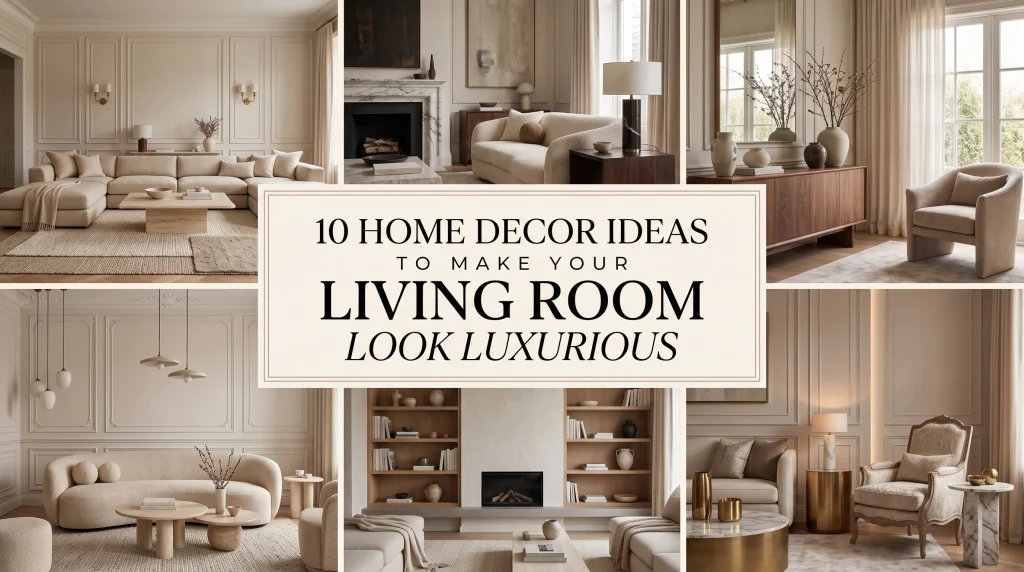
A luxurious living room is not just about expensive furniture or designer accessories. It is about creating a space that feels elegant, comfortable, balanced, and thoughtfully designed. With the right colors, textures, lighting, and decorative accents, you can transform an ordinary living room into a sophisticated space that looks beautiful and feels welcoming.
Whether you prefer modern minimalism, timeless elegance, or a cozy contemporary interior, small design choices can make a remarkable difference. From selecting statement furniture to layering curtains and incorporating decorative mirrors, there are plenty of ways to elevate your home’s interior without completely renovating it.
At Mehshan Interiors, we believe that beautiful interiors combine creativity, functionality, and thoughtful planning. In this guide, we explore 10 home decor ideas to make your living room look luxurious while keeping style, comfort, and practicality in mind.
1. Choose a Sophisticated Color Palette
Color is one of the most important elements of luxury interior design. A carefully selected color palette creates harmony throughout your living room and makes the entire space feel more refined.
Neutral shades such as cream, beige, ivory, taupe, and warm grey are popular choices because they create a timeless and elegant foundation. These colors work beautifully with natural wood, metallic accents, and soft fabrics.
For a more dramatic appearance, consider adding deeper shades such as forest green, navy blue, chocolate brown, or charcoal through cushions, accent chairs, artwork, or decorative accessories.
How to achieve the look:
- Use two or three complementary colors as your primary palette.
- Choose neutral tones for larger furniture pieces.
- Introduce contrast through cushions, throws, artwork, and accessories.
- Maintain consistency between your furniture, curtains, and decorative elements.
The goal is to create a balanced interior where every color feels intentional rather than overwhelming. Professional interior design planning can help you select colors that complement your room’s lighting, dimensions, and architectural features.
2. Invest in Comfortable, Statement Furniture
Furniture plays a major role in determining how luxurious your living room looks and feels. Instead of filling the room with numerous small pieces, focus on a few well-designed items that offer comfort and visual appeal.
A beautifully upholstered sofa, an elegant accent chair, or a stylish coffee table can become the focal point of your living space. Furniture with clean lines, quality upholstery, and thoughtful proportions often creates a more sophisticated impression.
Accent chairs are particularly useful for adding personality to a living room. A textured chair in a warm neutral, rich brown, or muted jewel tone can introduce visual interest without making the space feel crowded.
Styling tip: Choose furniture according to the size of your room. Large furniture can overwhelm a small space, while pieces that are too small may make a spacious living room feel unfinished.
At Mehshan Interiors, thoughtful space planning and interior design concepts help bring furniture, circulation, and aesthetics together to create a functional and visually appealing living room.
3. Dress Your Windows with Elegant Curtains
Curtains are often overlooked, but they can dramatically change the appearance of a living room. The right window treatments soften the interior, improve privacy, control natural light, and create a more finished look.
Floor-length curtains generally create an elegant appearance, especially when installed close to the ceiling. Linen-look fabrics offer a relaxed, natural feel, while velvet or heavier textured curtains can add richness and depth.
Consider choosing curtain colors that complement your walls and furniture. Cream, beige, warm grey, and soft brown are versatile options for sophisticated interiors.
How to style your curtains:
- Hang curtain rods higher than the window frame to create the impression of greater height.
- Extend the rod beyond the window so the curtains do not unnecessarily block natural light when open.
- Select a fabric suited to your privacy and light-control needs.
- Keep curtain hardware coordinated with the room’s overall style.
- Ensure your curtains have an appropriate length and hang neatly.
Well-designed window treatments can make a living room feel taller, softer, and more complete without requiring major structural changes.
4. Use Decorative Mirrors to Create a Spacious Feel
Decorative mirrors are a simple yet effective way to elevate your living room. They reflect light, add visual depth, and can make a room feel more open, particularly when placed thoughtfully.
A large statement mirror above a console table can create an attractive focal point. Alternatively, a round mirror with a metallic frame can soften a room filled with straight lines and rectangular furniture.
Mirrors also work well in smaller living rooms where maximizing the sense of space is important.
Try these ideas:
- Place a mirror opposite or near a window to reflect natural light.
- Choose a decorative frame that complements your furniture and lighting.
- Use one large mirror instead of several small mirrors for a cleaner appearance.
- Position mirrors where they reflect an attractive part of the room.
Avoid placing mirrors where they reflect clutter or an unappealing view. The placement matters just as much as the design.
For a more cohesive result, consider how mirrors, lighting, wall finishes, and furniture will work together before finalizing your interior layout.
5. Layer Your Lighting for a Warm, Inviting Atmosphere
Lighting can completely transform the mood of a living room. Even beautifully decorated spaces can feel flat when they rely entirely on a single overhead light.
A luxurious living room benefits from layered lighting, combining general illumination, task lighting, and accent lighting. This approach adds depth and makes the room more adaptable throughout the day.
For example, a ceiling fixture can provide overall illumination, while table lamps create a cozy atmosphere in the evening. Floor lamps can brighten reading corners, and accent lights can highlight artwork or architectural features.
Lighting ideas for a refined interior:
- Choose warm or warm-neutral lighting for a relaxed atmosphere.
- Add a table lamp beside a sofa or accent chair.
- Use a floor lamp to create a comfortable reading corner.
- Highlight artwork or decorative features with subtle accent lighting.
- Select fixtures that complement your furniture and other finishes.
Whenever possible, use dimmable lighting to adjust the atmosphere for relaxing, entertaining, or reading.
The right lighting plan can also emphasize architectural details and enhance the overall appearance of an interior. Mehshan Interiors incorporates design considerations that help create visually balanced and comfortable spaces.
6. Add Texture with Cushions, Throws, and Soft Furnishings
A room can have beautiful furniture and still feel incomplete if it lacks texture. Layering different fabrics introduces warmth, dimension, and a sense of comfort that makes a living room feel thoughtfully styled.
Combine materials such as linen, cotton, velvet, boucle, and knitted fabrics to create subtle contrast. For instance, a neutral sofa can look more inviting with textured cushions and a soft throw blanket.
You do not need to use many colors to create interest. Mixing different materials within a consistent color palette often produces a more elegant result.
Simple styling ideas:
- Combine plain cushions with one or two patterned designs.
- Drape a soft throw over the arm of a sofa or accent chair.
- Mix smooth fabrics with textured materials.
- Use different cushion sizes to create visual depth.
- Keep patterns coordinated rather than combining too many competing designs.
The result should feel comfortable and natural, not overly arranged.
Soft furnishings are also an effective way to refresh an existing living room without replacing major furniture pieces or making significant changes to the interior.
7. Incorporate Natural Materials and Organic Elements
Natural materials add warmth and character to a living room. Wood, stone, ceramic, linen, and other tactile finishes can balance sleek furniture and create a more inviting environment.
A wooden coffee table, a ceramic vase, or a stone-inspired decorative accessory can add visual interest without overwhelming the space.
Indoor plants are another effective addition. Their greenery introduces a fresh element that complements neutral furniture and natural textures.
Ways to introduce natural elements:
- Add a wooden side table or coffee table.
- Display ceramic vases on shelves or console tables.
- Place a well-proportioned indoor plant in an empty corner.
- Choose woven baskets for attractive storage.
- Incorporate natural fabrics through curtains, cushions, or upholstery.
These elements work especially well in modern, contemporary, organic, and minimalist interiors.
When combined with suitable lighting, carefully selected colors, and well-planned furniture arrangements, natural materials can make a living room feel sophisticated without appearing overly formal.
8. Style Your Coffee Table and Shelves Thoughtfully
Decorative styling helps make a living room feel complete. However, luxury does not mean displaying as many accessories as possible. A carefully edited arrangement usually looks more sophisticated than a crowded collection of objects.
Start with a few complementary pieces, such as a decorative tray, a small stack of books, a ceramic vase, or a sculptural ornament.
When styling a coffee table, vary the height and shape of your accessories. A low tray, a medium-height vase, and a small decorative object can create a balanced arrangement.
For shelves, combine books with a few meaningful decorative pieces while leaving some empty space.
A simple styling formula:
- Select three to five accessories for a larger coffee table, depending on its size.
- Combine different heights and shapes.
- Group smaller items together on a tray.
- Leave enough clear surface for everyday use.
- Remove objects that do not contribute to the overall design.
Remember that negative space is an important part of good interior styling. Every surface does not need to be filled.
A thoughtfully designed living room balances decoration with functionality, ensuring that beautiful styling does not interfere with everyday comfort.
9. Introduce Artwork and Statement Decorative Pieces
Artwork gives your living room personality and helps establish its overall design direction. The right piece can bring together your color palette and create a focal point without requiring major changes to your furniture.
Large artwork above a sofa often creates a strong visual anchor. Abstract prints, landscape photography, and understated contemporary artwork can all work beautifully, depending on your preferences.
Decorative objects can also make an impact. A distinctive table lamp, an elegant mirror, or a sculptural vase can become a statement piece when surrounded by simpler elements.
For a balanced look:
- Choose artwork that complements your room’s colors.
- Match the scale of the artwork to the wall and furniture beneath it.
- Hang pieces at a comfortable viewing height.
- Use coordinated frames for a cohesive gallery wall.
- Allow statement objects enough space to stand out.
Your living room should reflect your personal taste rather than look like a showroom filled with unrelated trends.
For homeowners planning a complete transformation, 3D interior design visualization can help communicate the proposed layout, color combinations, furniture placement, and decorative elements before implementation begins.
This makes it easier to explore design possibilities and develop a clearer vision of your future living space.
10. Keep Your Living Room Organized and Clutter-Free
One of the simplest ways to make a living room look luxurious is to keep it clean, organized, and visually balanced. Clutter can distract from beautiful furniture, carefully selected colors, and decorative accessories.
Thoughtful storage helps maintain an elegant appearance while making the room easier to use every day.
Consider furniture that offers built-in storage, decorative baskets for smaller items, or cabinets that keep everyday belongings out of sight. Organize cables, clear unnecessary objects from surfaces, and arrange furniture to maintain comfortable walking paths.
Easy ways to maintain a refined living room:
- Keep coffee tables and side tables relatively clear.
- Store remote controls and everyday items in designated places.
- Arrange cushions neatly without making the sofa look overly formal.
- Dust mirrors, furniture, and decorative accessories regularly.
- Refresh the arrangement when the room starts to feel crowded.
A well-maintained living room allows your favorite furniture and decor pieces to stand out naturally.
Good interior planning also ensures that storage, furniture placement, and walking areas are considered from the beginning rather than treated as afterthoughts.